What's going on
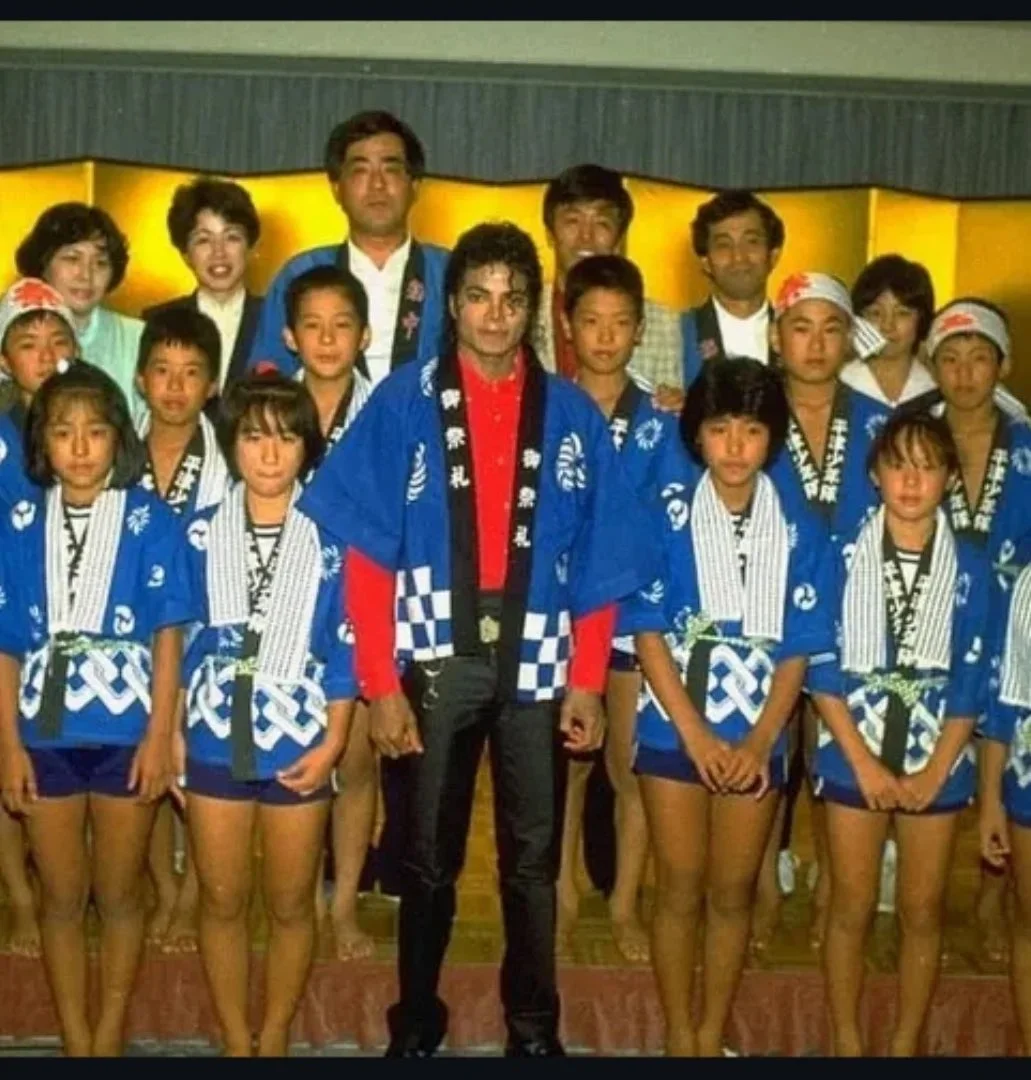
In September 1987, in the middle of his Bad world tour, Michael Jackson made a stop in Osaka. As part of the welcome, the city draped him in a happi — the short, straight-cut cotton coat that Japanese people wear at festivals and celebrations — and a photo of him in it, beaming among a group of local children, recently made the rounds again.
What struck people wasn't only how good he looked. It was the shared conviction that, even standing in a sea of Japanese faces, he was the one who looked most likely to be brilliant at yosakoi — a high-energy festival dance, born in Kōchi, performed with a pair of small wooden clappers called naruko held in each hand. From there the comments spiral into loving speculation about exactly how he'd pull it off.
And then a second realization sets in, half joke and half cultural confession: Japan seems to put a happi on every famous person who ever visits. It's the easy, universal gesture of welcome — and the running suspicion is that it has never once failed to look good.
Comments
My take
Comments loosely translated for tone. Reactions collected from Togetter and X threads.
View original thread →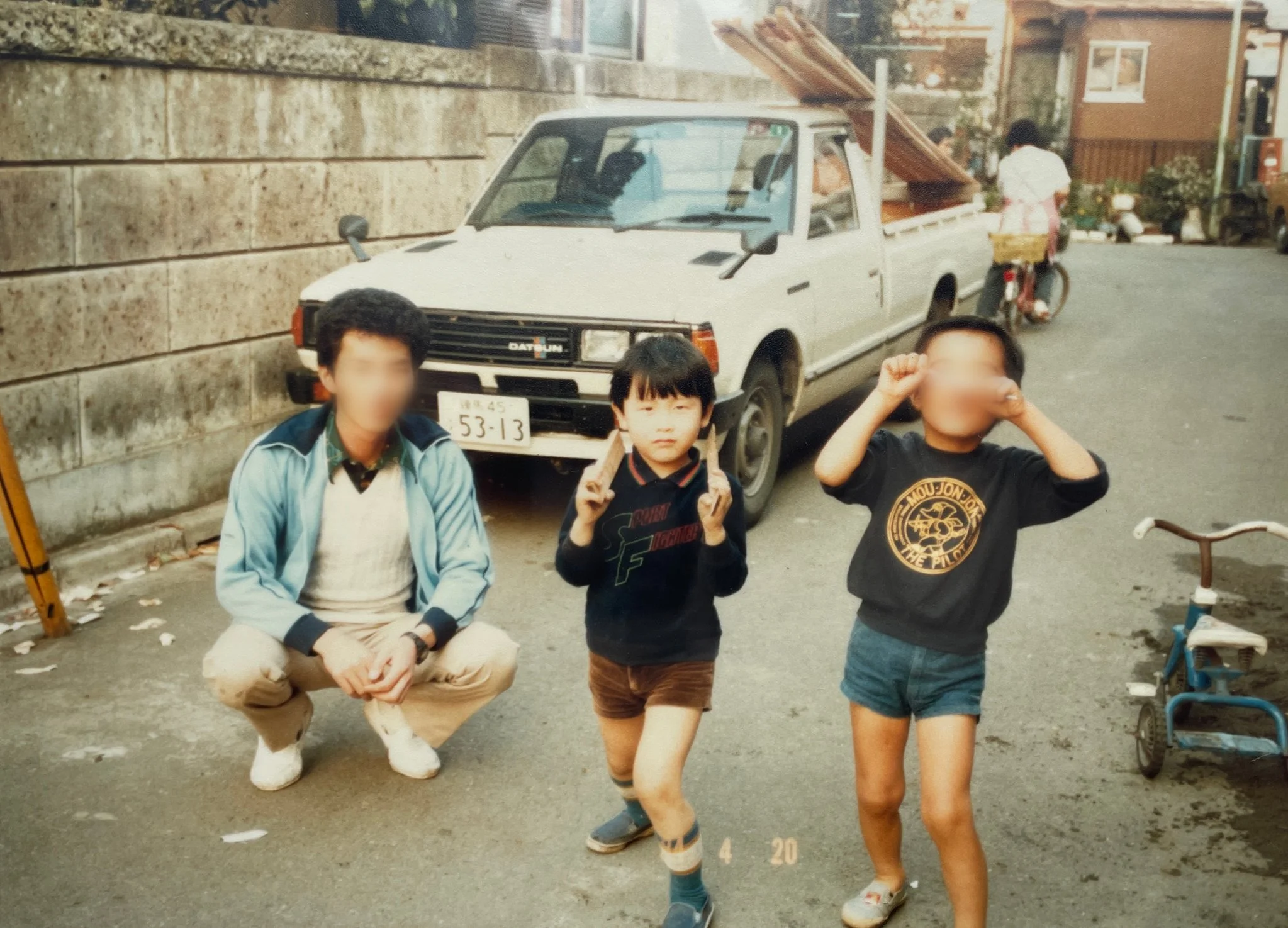



@D0KK0I · View on X
@v_SUPERFLY_v · View on X
A pun lives in this one. In Japanese, Michael Jackson is affectionately nicknamed “Maikō,” which sounds almost identical to 舞子 (maiko) — a word that literally means “dancing child” and also refers to an apprentice geisha. One word, and it ties his nickname straight to the dancing theme.
@fran_syatiku · View on X
There’s a quiet pun in that last line: happi (法被), the festival coat, sounds just like the English word “happy.” So “everybody ends up happy” is also, in its own way, “everybody ends up in a happi.”