Surprising Society

Why Hokkaido's Roads Fall Apart Every Spring

It's not poor maintenance — it's physics, and every cold-weather region knows the drill.

What's going on

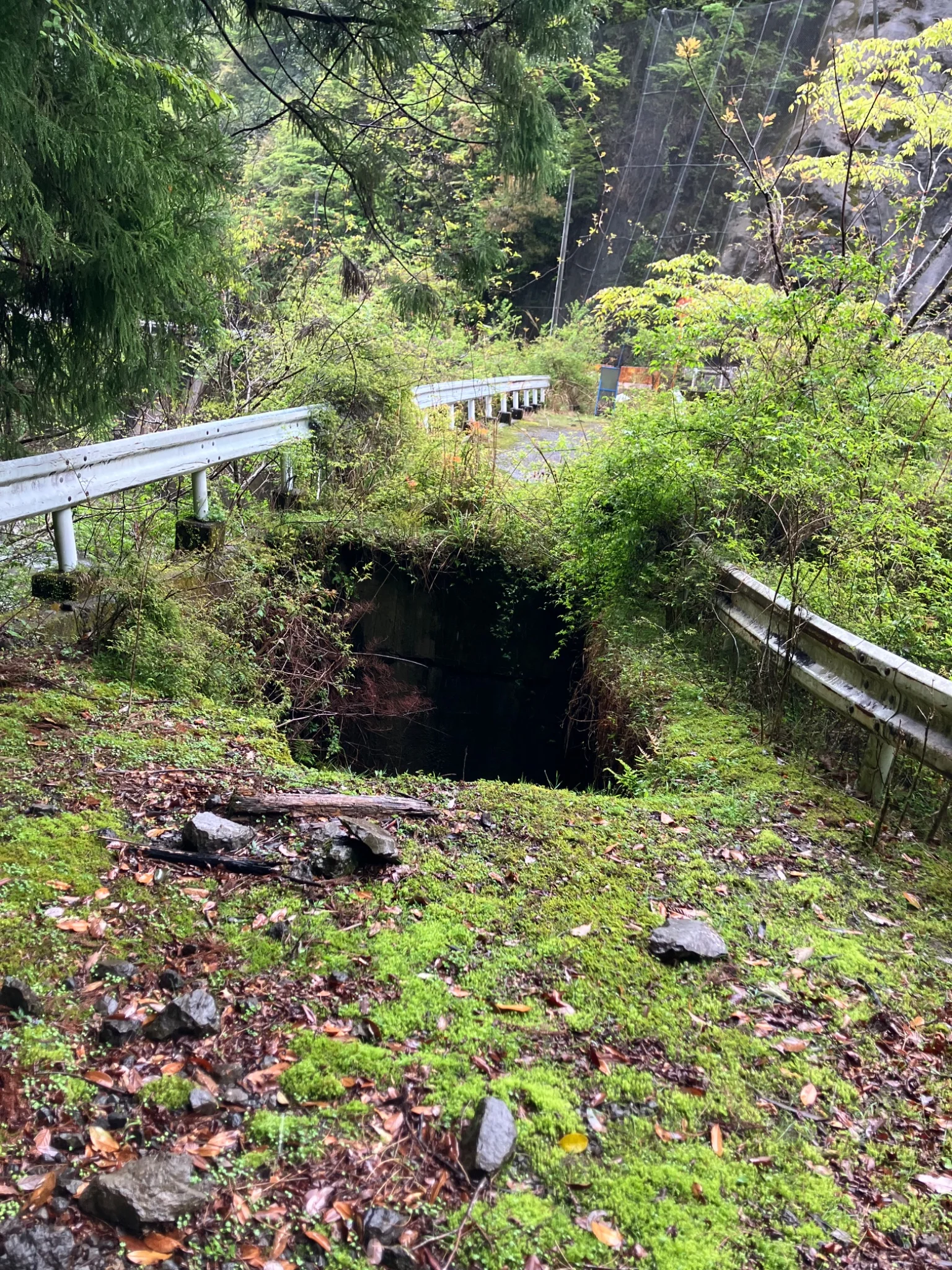
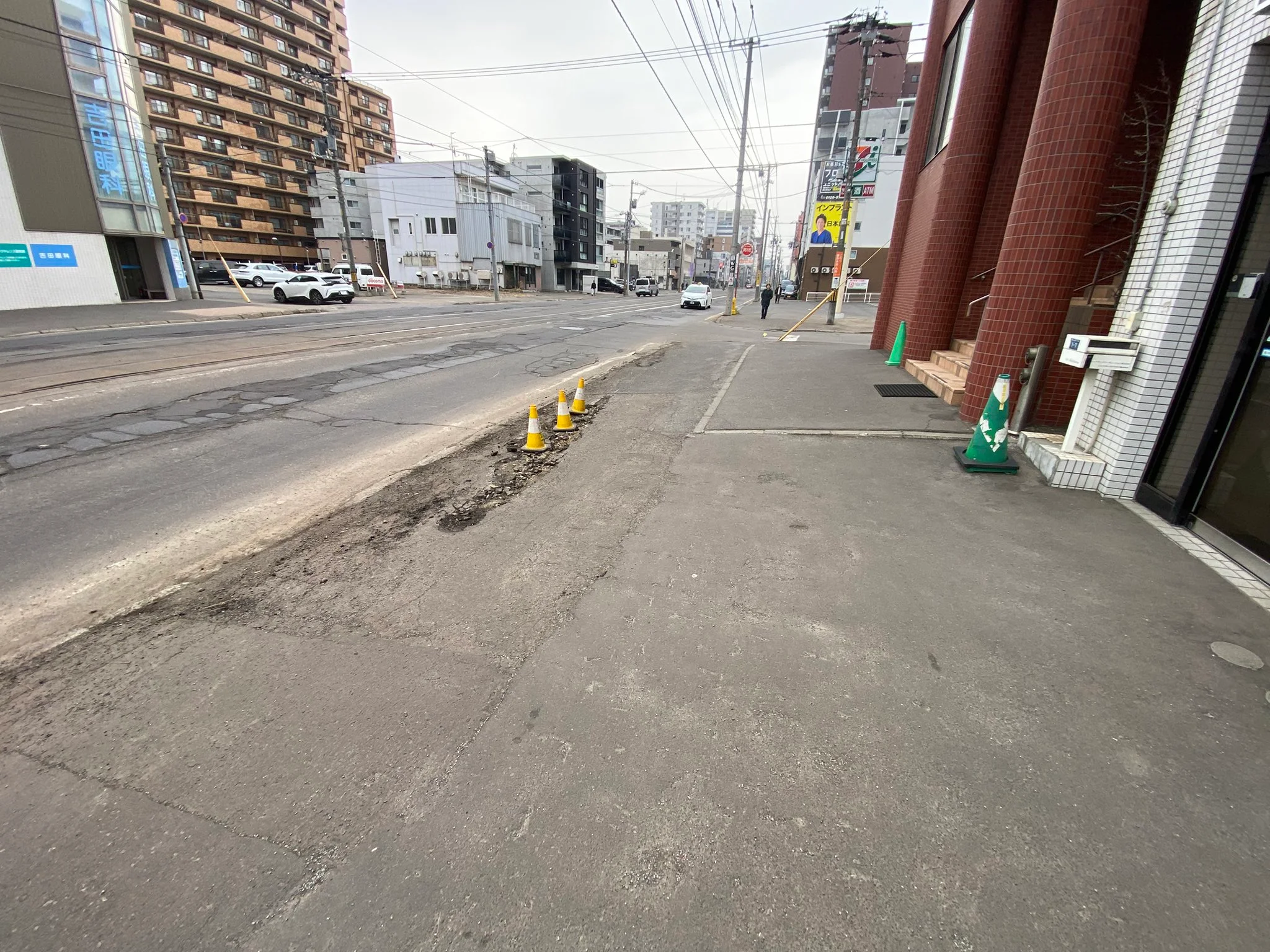
Someone driving around Hokkaido noticed the roads seemed rougher than expected — full of bumps, cracks, and potholes — and wondered aloud whether the vast land area just made it impossible to maintain everything properly. The question drew a wave of responses from locals and cold-climate residents ready to explain the real culprit.

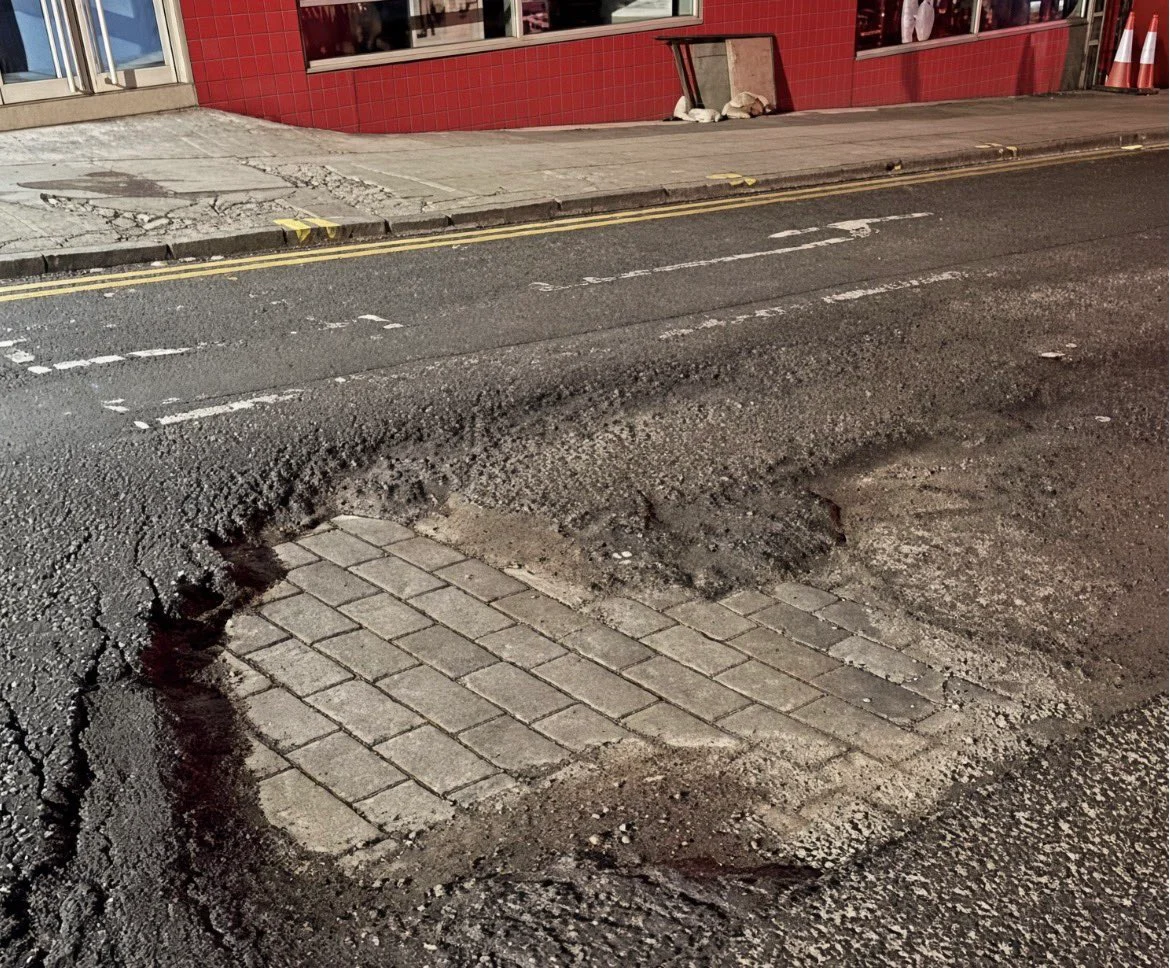
The answer is freeze-thaw cycles. Water seeps into tiny cracks in asphalt and concrete, freezes, expands, then thaws — and repeats this all winter long. Each cycle widens the crack a little more, until by spring the road surface is riddled with damage. In Hokkaido and the Tohoku region, this is compounded by de-icing salt that corrodes the concrete, snowplow blades scraping the surface, and studded tire chains grinding it down further. The damage layers up across the whole season.

Come spring, road repair crews fan out to patch what winter left behind. It's become such a reliable seasonal occurrence that locals just call it a spring tradition — until the snow comes back and the whole cycle starts again.

Comments

Does anyone else feel like Hokkaido roads are kind of a mess? Way more bumps and potholes than I expected. Is it just too much land to maintain or what?
What do you expect, it’s cold lol
People are out here saying Hokkaido roads are unmanaged and all torn up 😭😭
Hint: snow
It’s the snow, that’s why
It’s a cold-climate thing. Water expands when it freezes, so any water that gets into cracks in the asphalt keeps freezing and thawing over and over — and it just tears the road apart from the inside out.
It’s not just about maintenance — in snowy regions, moisture inside concrete freezes and expands, cracking it; de-icing salt corrodes it; the ground underneath partially sinks and pulls it apart; and tire chains scrape it all up. All of these pile on at once!
They’re called potholes — water seeps in, keeps freezing and thawing, and the pavement just breaks down. A classic cold-climate seasonal staple.
Here’s a TV news segment from about four years back that covered this. For reference.
Every cold-weather region ends up like this 😮‍💨
Snow piling up and then getting plowed — that’s what breaks roads down…
The stretch in front of my house is even worse. Just the fate of cold climates~
Ohhh so that’s what it is!! I just figured it was like… normal aging lol
More like: aging at an insane rate, yes.
Oh so snow just makes it age way faster!! So I wasn’t totally wrong then lol
Look, if you’ve never lived somewhere with heavy snow it’s understandable — but calling it ‘unmanaged because the land is too big’ is kind of rough ngl. I feel that way too, and I moved here from outside Hokkaido.
Nope. / Standard snowy-country road thing. / Happens everywhere, not just Hokkaido.
Same thing happens every spring in Aomori (a prefecture at the northern tip of Japan’s main island, known for some of the heaviest snowfall in the country) too. Some potholes are exactly the width of a bike tire, which is genuinely scary — if you’re cycling around Tohoku (the broader northern region of Honshu, Japan’s main island) in spring, don’t pick up too much speed.
Winter’s just out here breaking everything lol
Fate of cold regions. / Repair crews are about to start patching things up all over the place.
A Hokkaido spring staple
So many road construction sites in early spring, every year
Just normal for Hokkaido in early spring
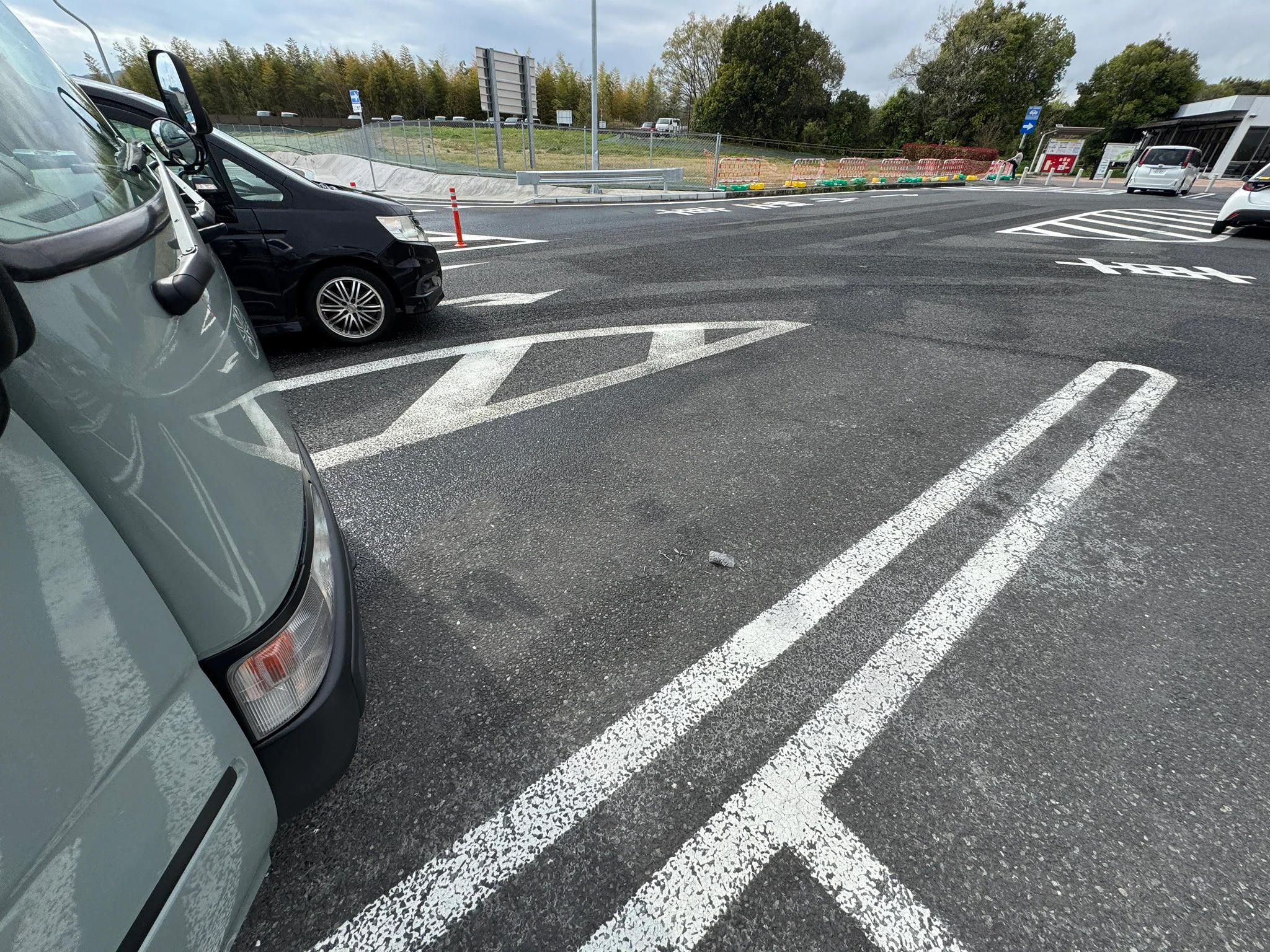
Thought the same thing on a recent trip to Hakodate (a city in southern Hokkaido). Even lowriders get put to the test out here. (試される大地, “The Land of Trials/Challenges,” is Hokkaido’s official tourism tagline; シャコタン/shakotan refers to cars modified to sit very low to the ground — which does not mix well with pothole-ridden roads)

My take

Even once all that snow finally clears, the roads are still a mess — that's rough in its own way. But apparently crews get everything patched up within roughly a month, which is honestly impressive.

Comments loosely translated for tone.