Surprising CultureFood

The Tea Industry Word That's Been Hiding in Plain Sight

A Japanese tea shop's photo of fresh-harvest shincha introduced a lot of people to a word they'd seen their whole lives — and never actually known.

What's going on

Every spring in Japan, the tea world enters its most anticipated stretch of the year: shincha season. Shincha — the year's first tea harvest — is prized for its freshness, sweetness, and vivid color. Think of it as the Beaujolais Nouveau of the tea calendar, an occasion that serious tea lovers look forward to for months.

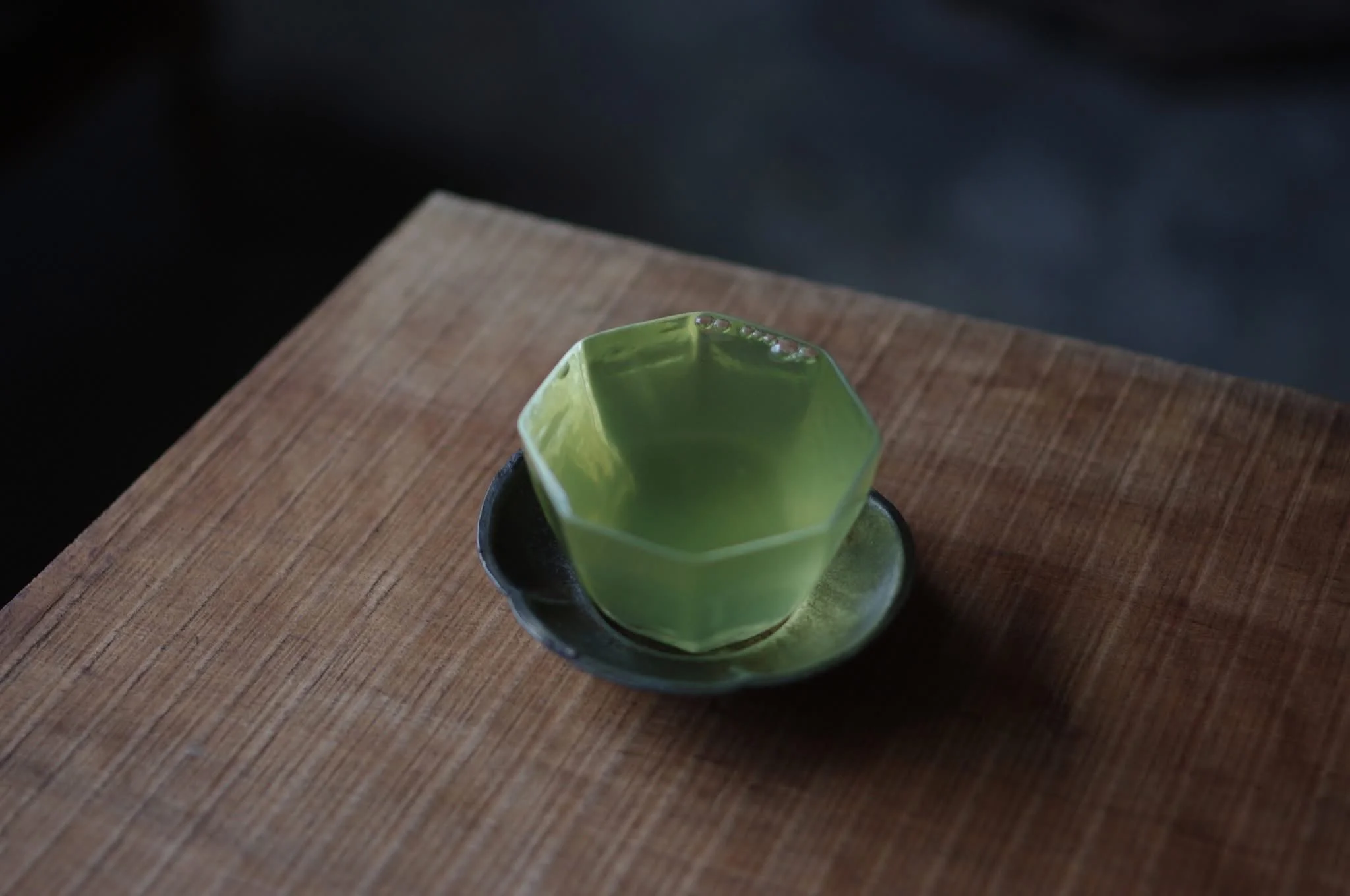
A tea shop shared a photo of freshly brewed shincha and invited followers to admire its clarity and suishoku. The word they used, written as 水色, is a standard term in the tea trade — it refers to the color of the brewed liquid itself. But most Japanese readers don't work in the tea industry. To them, those two characters have one obvious reading: mizuiro, meaning light blue.

The replies arrived swiftly. Most were some variation of "that tea looks green to me." A few readers quietly began to wonder if something had gone wrong with their vision. The shop's follow-up clarification set things straight — and sent a lot of people to reconsider a word they'd technically seen many times before.

Comments

@suzuwateaworks — Official
Look!! This crystal-clear suishoku. Shincha season only comes once a year — live to a hundred and you get it a hundred times at most. Drink it, taste it, let it move you.
@suzuwateaworks — Official
Our shincha is coming in little by little — come experience flavors that only exist this year.
Looks green to me
Ok I’m having a minor crisis — am I colorblind? Because that tea looks completely green to me, not blue at all
@suzuwateaworks — Official
Didn’t expect so many people to see this post, and we’ve been getting a lot of questions about the word 水色. In the tea industry, it’s read as suishoku, not mizuiro — it refers to the color of the brewed liquid. We use it so naturally that it took someone pointing it out to make us realize: yeah, that’s not obvious at all‼︎

The word 水色 has two completely separate lives in Japanese. In everyday usage it’s read mizuiro, meaning a soft sky-blue color. In the tea world — and across other beverage trades including black tea and Chinese tea — the same characters are read suishoku, simply meaning “the color of the brewed liquid.” Same kanji, same written form, different reading, different meaning.

What a beautiful word
Oh thank goodness, what a relief — I’d been quietly worrying I might be going colorblind from staring at my phone too much 😅
Finally, the suishoku mystery from Kemono Tea Time (a manga series about tea) is solved
I only knew suishoku from Kemono Tea Time — honestly if I hadn’t read that, this post would’ve made zero sense to me. Why such a confusing name!!
Oh wow — I went to a tea specialty shop as a teenager, saw 水色 on the menu, and just… accepted it without understanding. Until now.
Exactly, people who know their tea say suishoku! Since it’s written the same as mizuiro, it gets confusing the moment it’s put in writing 🤔
I ran the original post through Grok and it translated 水色 as “liquor” — actually pretty accurate, I’m impressed (“Liquor” is the standard English term in professional tea tasting for the color and clarity of brewed tea.)
It’s like how musicians read 音色 (timbre) as onshoku instead of the everyday neiro — same kind of specialist reading hiding inside familiar characters
Yeah, exactly the onshoku vs neiro situation for 音色. Anyone making music with synths or a DAW goes with onshoku ☺️
Huh, so suishoku just… doesn’t land outside tea circles…
Ah right, suishoku is used in the black tea world too. Makes sense it’d be the same for green tea
This is really educational. Is suishoku used for all types of sencha? (Sencha is leaf tea brewed with hot water, as distinct from powdered matcha.) Does it apply to matcha in the tea ceremony as well?
Worth knowing — suishoku isn’t just a Japanese tea thing, it’s used for black tea and Chinese tea too. Good word to add to your vocabulary.
When you think about it, you really do only ever hear suishoku in tea contexts — no wonder people outside that world have never come across it
I’ve always naturally read it as suishoku for brewed tea… but I genuinely can’t remember when I learned to separate that from mizuiro
At this point it’s full occupational hazard — I see 水色 and instantly read suishoku, and I once tried to caption a lake photo as “beautiful mizuiro” and completely blanked on how to write it in kanji. I know that sounds made up. It isn’t.
Genuinely one of those things I’m glad I stumbled across
Had no idea!! Makes you wonder how many other specialized terms are hiding in plain sight like this
I’m a little embarrassed to admit I didn’t know this until now. As someone from Shizuoka (one of Japan’s foremost tea-producing prefectures) of all people, I feel like I should have known. Will be keeping suishoku in mind from now on. Thank you for this.

My take

The color really is something to look at. Matcha gets all the global attention these days, but there's something quieter and more grounding about a cup of sencha — just hot water and leaves, doing exactly what they've always done.

Comments loosely translated for tone.