
What's going on
Construction sites in Japan are required to post signs summing up the work being done, often in a single terse line. Most people walk past them without a second glance. But one passerby stopped to read a sign describing a riverbank project as building a "nebarizuyoi teibou" — literally, a "tenacious" or "persevering" levee — and got curious enough to look up what that actually meant.
It turns out the phrase isn't just poetic flair. It's a real engineering classification adopted after a string of river breaches in recent years: rather than a levee that's simply taller or wider, a "tenacious" levee is reinforced so that even if floodwater overtops it, the structure resists collapsing outright and buys time before it fails. The term made its way onto Twitter, and from there people took turns admiring the wordsmithing on public works signage, swapping stories about their own local rivers, and — completely unprompted — a poster from a private company chimed in with a photo of an entirely different, oddly charming construction sign of their own.
Comments
My take
Comments loosely translated for tone. Reactions collected from Togetter and X threads.
View original thread →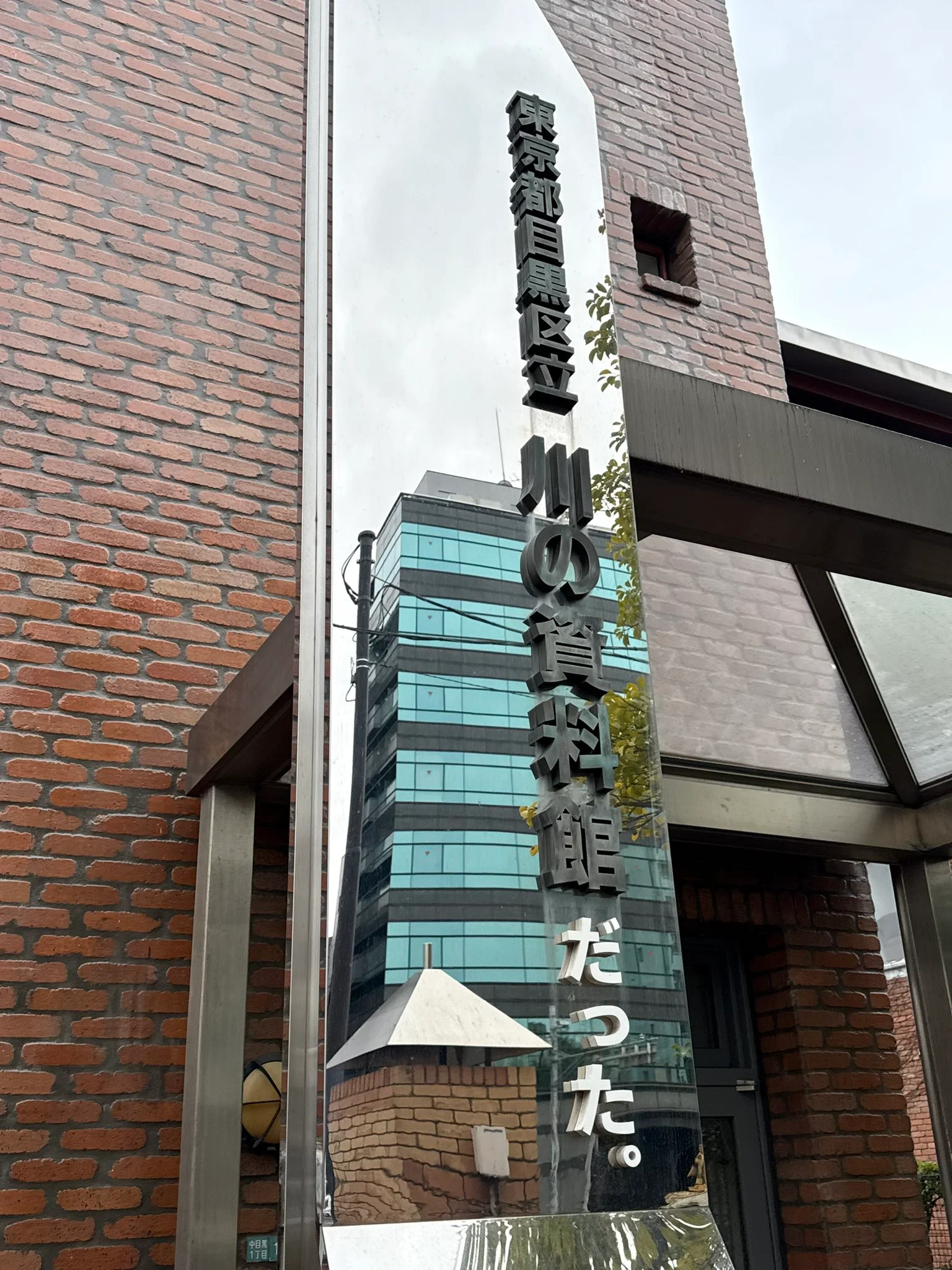
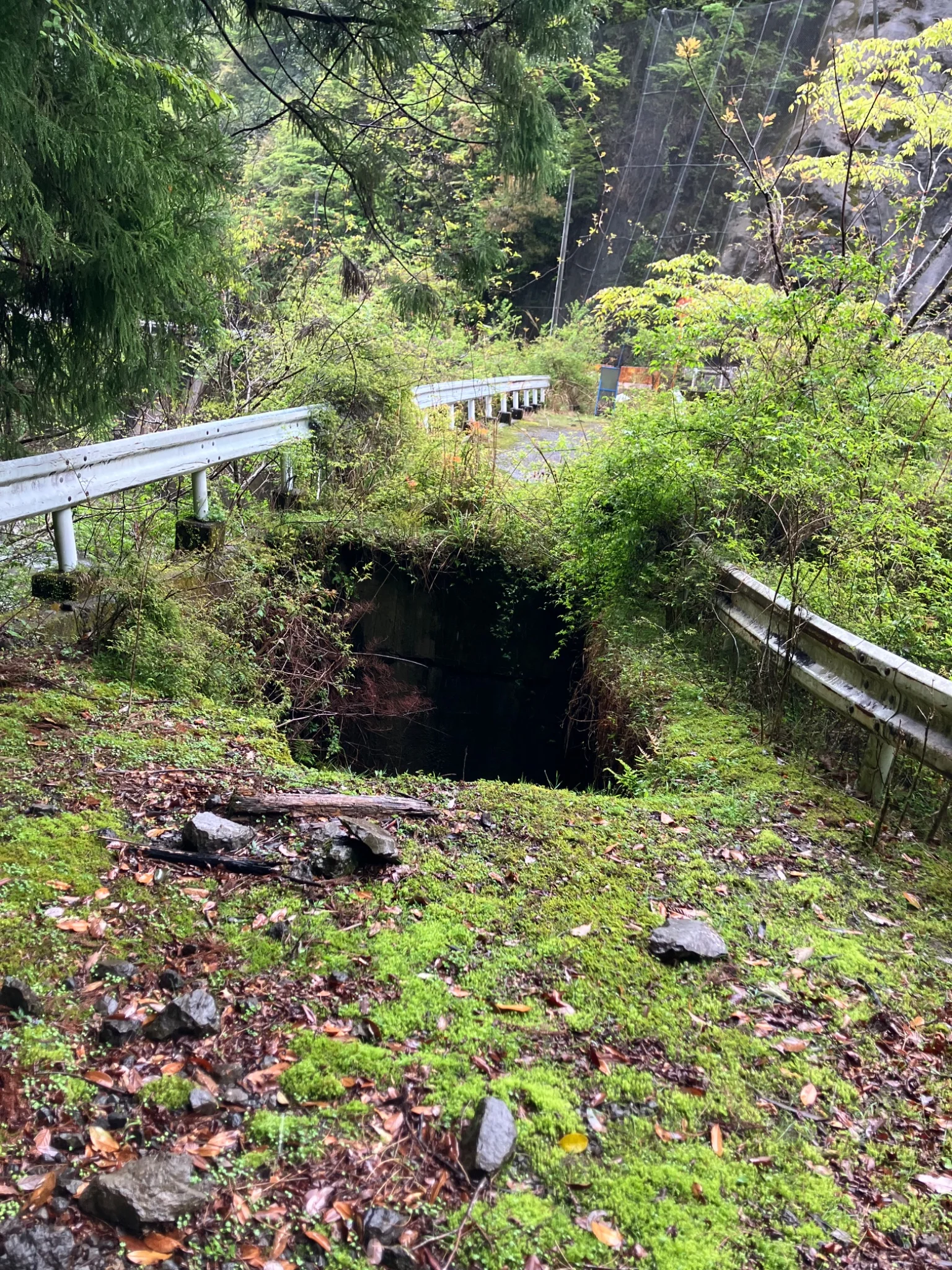
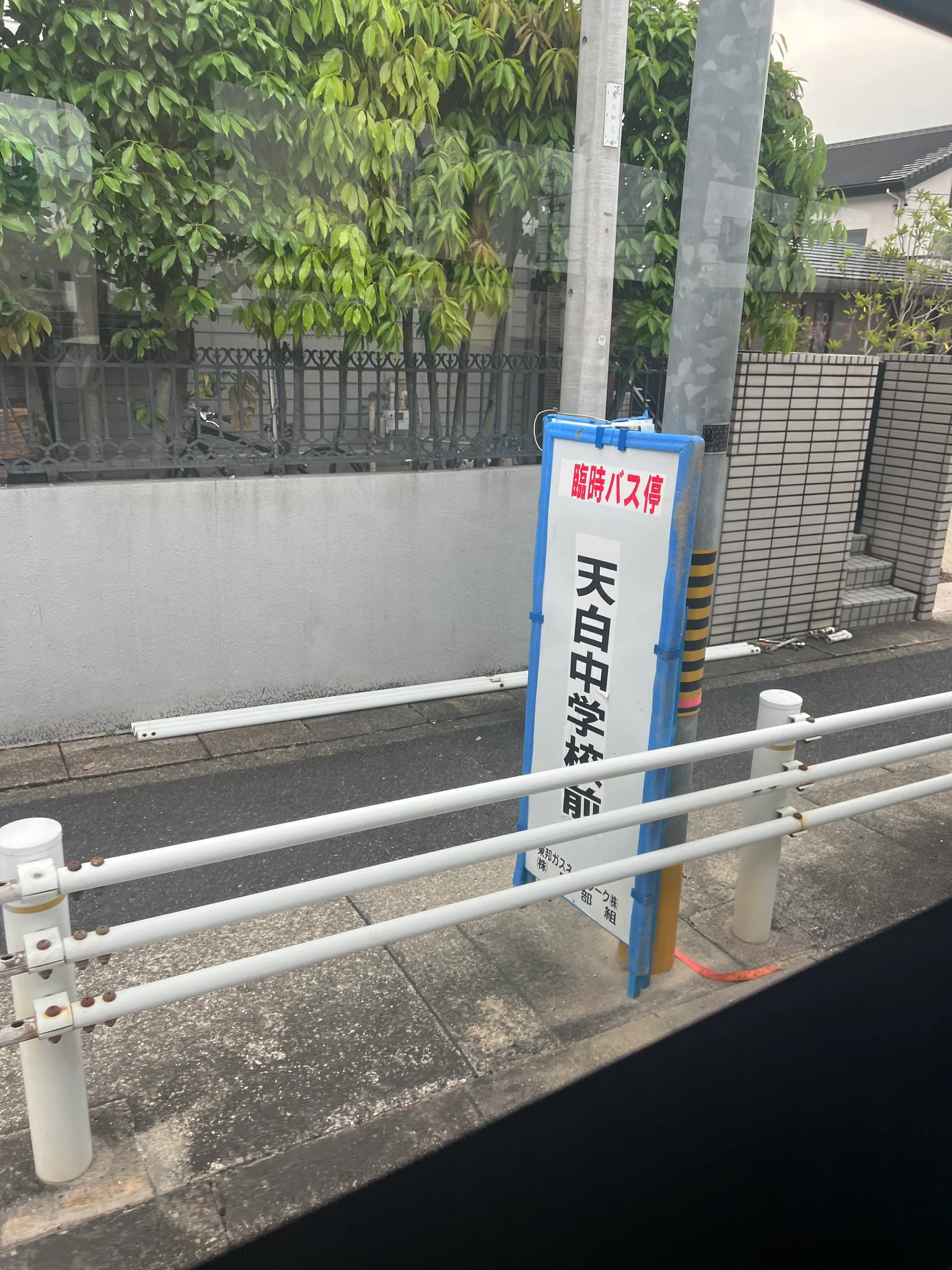
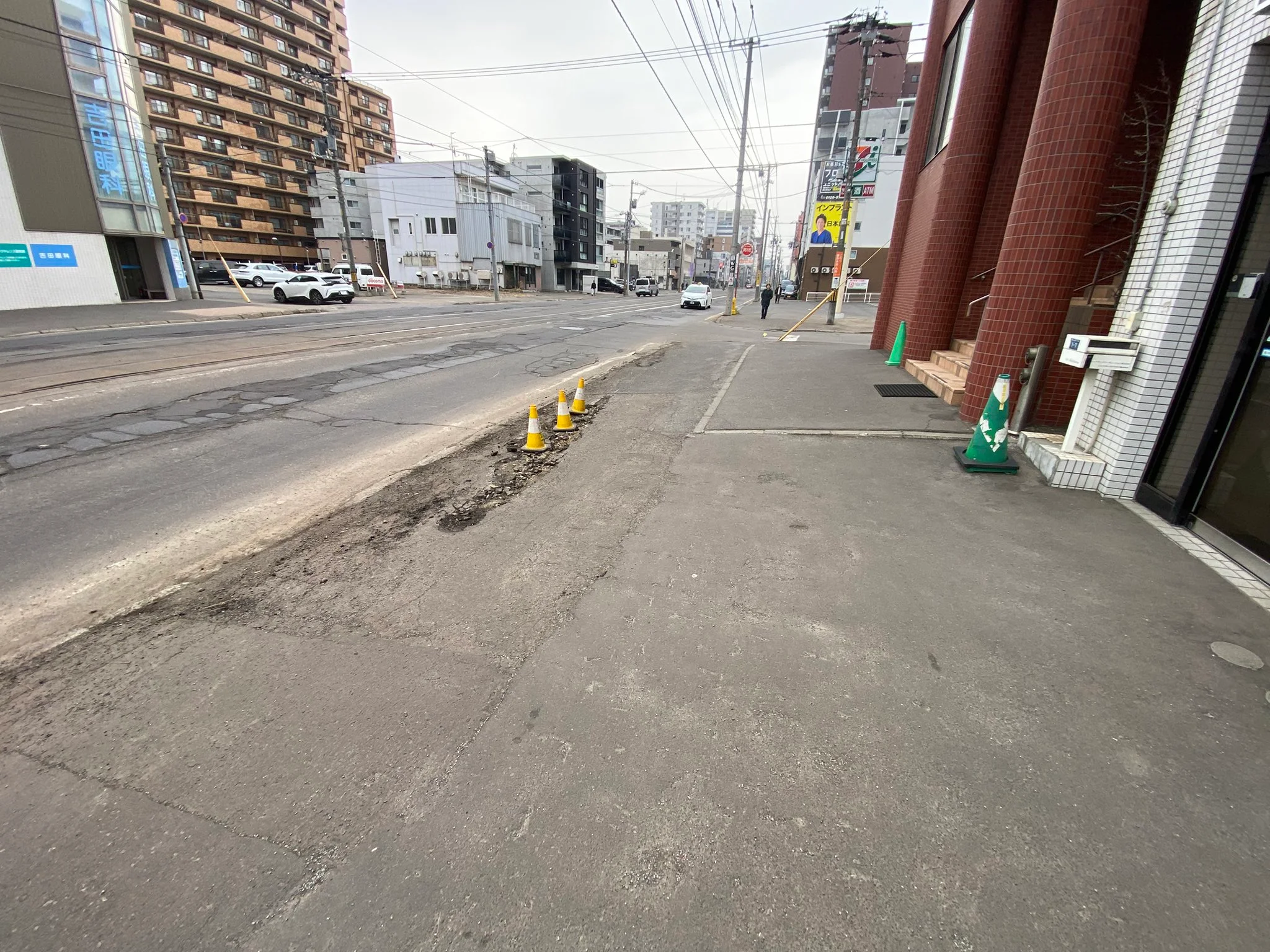
@e_ikuon · View on X
@e_ikuon · View on X
@mkctoyama · View on X
The sign in that photo reads “いい水道管にしてますちゃ” — “we’re making it a good water pipe.” The “〜ちゃ” ending isn’t standard Japanese; it’s a regional dialect flourish (commonly associated with Toyama and nearby areas), which is what prompted the reply above.