
What's going on
Open a box of tissues in Japan and the first thing you do is tear a small printed oval off the top — a perforated piece of card sitting over the plastic film, sized roughly to a thumb. Every brand prints its own design on it. Almost nobody looks at it. It goes in the bin about half a second after it comes off the box.
One person did not throw them away. They photographed several dozen of these ovals fanned out across a desk, an assortment of colors and patterns, and captioned it with the flattest possible admission: this is the part of tissue boxes they collect, and there is no reason. The first reply was a remark about the quantity being wrong. It went downhill from there.
What followed was less mockery than a chain reaction of confessions. Bread bag clips. Ice cream tubs. Soy sauce dishes from delivery sushi. The strips of card from packs of processed cheese. It emerged that a great many people are quietly maintaining a hoard of one specific piece of packaging, and not one of them can say why.
Comments
My take
Comments loosely translated for tone. Reactions collected from Togetter and X threads.
View original thread →
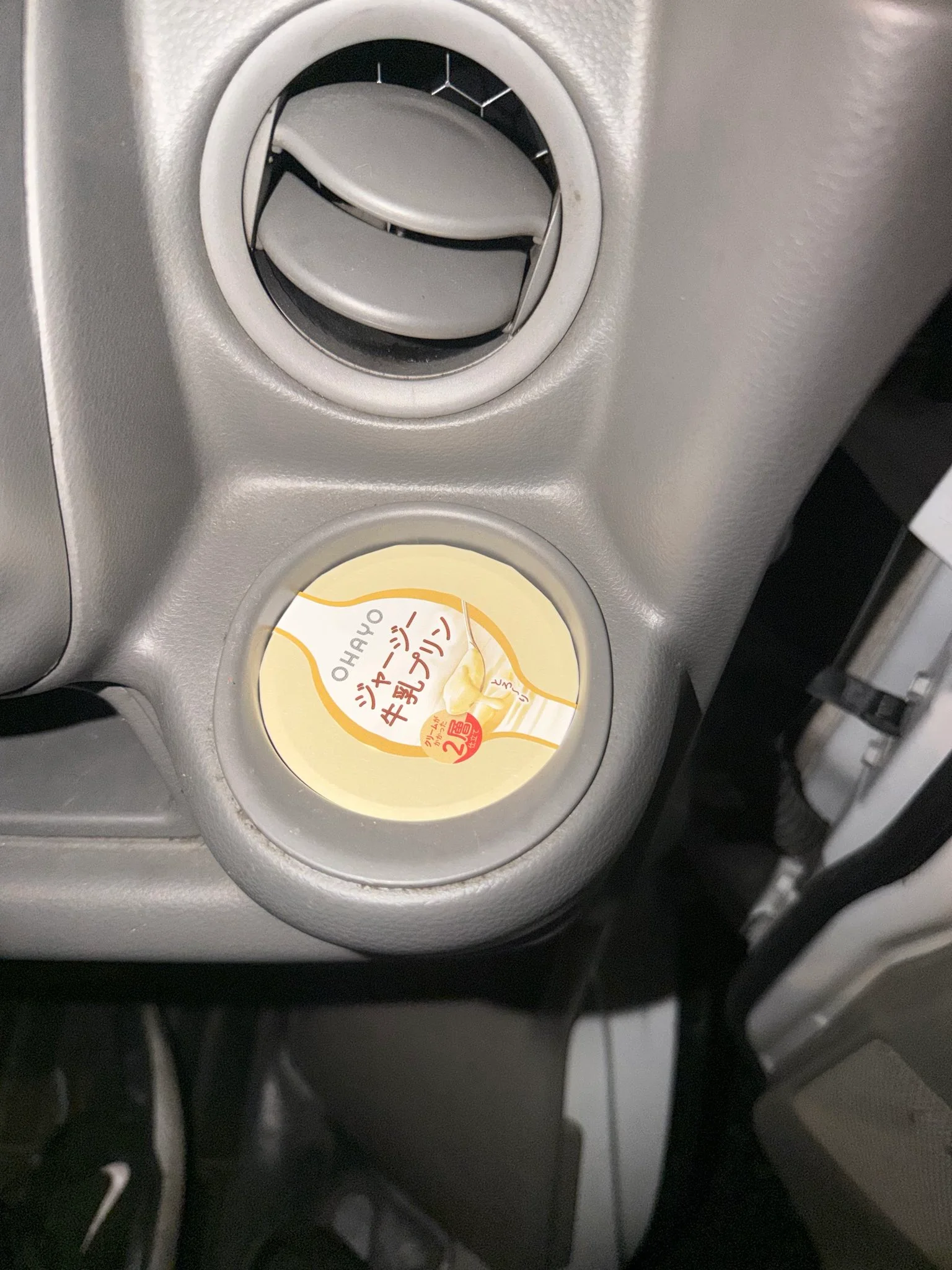
@70_pocky · View on X
@9y6RHhHMKanbcXL · View on X
@sugisawa_shun · View on X
@1KDstEcXx365892 · View on X
The word here is 癖, normally read kuse, meaning a habit or a quirk. Written with the reading forced over to heki, as it is here, it flips into internet slang for a private aesthetic fixation — the oddly specific thing that reliably does it for you. English can render the fondness or the faint embarrassment, but not both at once in one word.