← Home / Culture

Relatable·Culture· Oct 18, 2026 · 6 min

Manhattan Is Spelled So Katakana-Perfect That It Feels Like a Typo

41 posts in the thread · 40 translated

Japanese readers hunt for English words spelled exactly the way Japanese says them, and tiramisu takes the lead.

Manhattan Is Spelled So Katakana-Perfect That It Feels Like a Typo

What's going on

Japanese writes foreign words in a separate script called katakana, so most English words reach Japanese speakers already converted into Japanese sounds. One user noticed that "Manhattan" lines up with its katakana form, マンハッタン (ma-n-ha-t-ta-n), almost letter for letter. It matched so neatly that it felt like they must be spelling it wrong.

Other readers offered their own entries (Toronto, London, Mississippi), until a rival champion appeared: tiramisu. That led to a long tangent on how Italian spelling works, why Japan's Latin-letter system is called what it is, and whether English is the odd one out.

A few people who have heard the word spoken in English added that "Manhattan" doesn't sound much like マンハッタン at all.

Comments

The spelling of “Manhattan” is so perfectly “manhattan” (マンハッタン) that I feel like I must be spelling it wrong.
「Manhattan」、スペルがあまりにも「マンハッタン」過ぎて逆に間違えてる気がする。
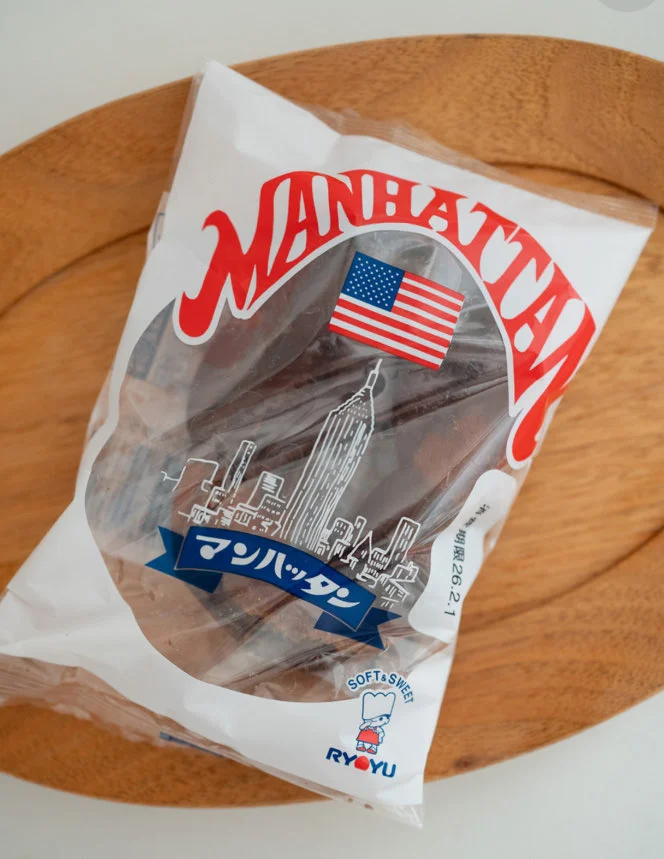
Everyone in Kyushu knows this one. (The photo shows Manhattan, a super long-selling sweet bread, a kind of doughnut, famous in Kyushu.)
九州の人はみんな知ってる
Toronto’s the same.
Torontoもそう
London is way too “rondon” as well.
Londonもあまりにもロンドンすぎる
The “mishishippi” energy of “Mississippi.”
「Mississippi」のミシシッピ感。
“assassin” is a pretty good one too.
「assassin」も、なかなか。
Recently got that feeling from “sauna” (サウナ).
ワイは最近『sauna(サウナ)』でそれを感じた
My number one word to ask people to repeat, because American pronunciation goes off in a direction the spelling never saw coming.
スペルの斜め上を行くアメリカ人の発音のせいで聞き返す単語No.1
Pronunciation-wise, though, apparently you need some mystery technique called a glottal stop where you barely say the t at all.
なお発音面ではtをほとんど発音しない声門閉鎖音とかいう謎技術が要求される模様
But when you actually say it, it comes out “menheren.”
だが発音するとメンヘレン
But the actual pronunciation is more like “men-hat-un,” right?
でも、実際の読みはメンハッゥンみたいな感じだよね
Your regular reminder: “bo-oh-oo-o-vu-wo-a.” (A phonetic rendering of an American saying “bottle of water.”)
ボオゥオヴウォッア定期
Someone wrote something about putting tension in your throat, so I tried saying it a few times… how is this not just moaning??
誰かが喉に力を…みたいな事書いてたんで、何回か自分で発音してみたんですが…どう考えても喘いでません…?これ。
The “tt” doesn’t actually make a t sound. It’s more like the feeling of swallowing hard in suspense, a little “nguk.” Definitely not moaning… really.
ttの綴りはtの音を実現させずに、「ングッ」みたいな固唾を飲むような時の感覚です。決して喘いでいる訳では…ない。
My pick for the champion of this is Tiramisu (ティラミス).
これの優勝はTiramisu(ティラミス)だと思ってる
You’d think it would end up as something like “Thiramiss”…
Thiramissとかになりそうなのに…
Could just as easily have been “Tirramith,” honestly.
Tirramithとかでもおかしくないよね。
The U on the end already just looks like Japanese to me.
最後にU付いてるのがもう日本語にしか見えない
And the way the “su” keeps its accented vowel makes it even more Japanese.
ついでに「す」にばっちりアクセント付きの母音が残るところまで含めて日本的です
Funny thing: when Japanese people say tiramisu, the “su” is actually just “s,” not “su.” (Japanese tends to devoice a “u” between consonants or at the end of a word, so it nearly vanishes.)
面白いのが、日本人が発音するティラミスの「ス」は「su」じゃなくて「s」
Said “tiramisu” with Osaka-dialect intonation and an Italian person complimented me, I tell you. The “su” has an actual vowel in it, see.
ティラミス、大阪弁のイントネで発音したらイタリア人に褒められたでござる。スが有音のスなんよね
Wait, so over five thousand people who liked this think tiramisu is English…?
え、ティラミスが英語だと思っていいね付けてる人が五千人以上いるってこと・・・
It’s about spelling in foreign languages in general. It’s not limited to English, you know.
外国語の綴りの話をしてるんであって、別に英語に限定してるわけじゃないのよ
Well, Italian is basically romaji, after all… (No wait, it’s the other way around.) (Romaji, literally “Roman letters,” is the system for writing Japanese in the Latin alphabet.)
イタリア語はほぼローマ字ですからねえ……。(逆だ逆)
Told my half-Italian friend about this and got: “Do you know which country Rome, as in romaji, is in?” Fair point.
イタリアハーフの友達に言ったら、「そもそもローマ字のローマってどこの国が知ってる?」とのこと。確かに。
Italian is basically written in romaji, you know… “Ti amo.” Even someone who’s never heard that phrase can read it, right…
イタリア語、ほぼローマ字書きだからね… 「Ti amo.」このフレーズ、知らない人でも読めるでしょう…
It’s called romaji for a reason, so every word of Italian origin works that way.
ローマ字って言うくらいなので、イタリア語由来の単語は全部そうですよ
Italian and Latin are close enough to romaji that the letters used for writing Japanese are called romaji in the first place.
日本語照応文字がローマ字と言われるほどイタリア語やラテン語はローマ字に近いですからね
Anyone who’s studied a Latin-based language can easily guess it breaks down into “tira mi su.” (Literally “pull me up,” as in a pick-me-up.)
ラテン語系やった人ならtira mi su と品詞分解できることに容易に想像がつきますね
Then again, if you asked elementary and middle schoolers, I think the winner would be “tomato.”
まあ、小中学生あたりに聞いたら優勝はtomatoだと思うけど。
I think “Propaganda” (プロパガンダ) could crack the title race too.
Propaganda(プロパガンダ)も優勝争いに食い込めると思う
I think the “Haagen” in Häagen-Dazs is pretty strong too.
ハーゲンダッツのHaagenも中々だなと思ってます
So are Latin-based languages pretty much romaji as-is…?
ラテン語系はけっこうローマ字ままみたいだったりするのかな…?
My sister, who is seriously bad at English, turned out to be better at Italian.
英語が本気で苦手な姉はイタリア語の方が得意だった
Honestly, English is the pinnacle of crazy languages that use a phonetic alphabet and don’t read anything the way it’s written…
というか、そもそも表音文字を使いながら、全然書いたまんま読まない狂った言語の最高峰が英語だからね…。
It’s just that English and French have spelling systems that are weird for a phonetic script. People run into them so often it’s easy to get the wrong idea, but those two are actually the oddballs among alphabet-using Indo-European languages.
英語とフランス語の表記法が表音文字としてはおかしいだけ 接する機会が多いので勘違いしがちだがこの二言語の方がアルファベット使用の印欧語族の中では異端
English just has too few words that end in “u” and actually pronounce it as a short “u.” Other languages have that sound all the time. There’s a Southeast Asian snack, “muruku,” that’s read just the way it looks. Feeling weird about a “u” really being “u” is English’s fault.
綴りがuで終わってちゃんと短母音のuで発音する言葉が英語で少なすぎるだけで、それ以外の言語だとそういう音は普通にあるんだよな。 東南アジアのお菓子にもmurukuでムルクって読むのあるし。 uがちゃんとウになってるのに違和感感じるのは英語のせい。
It’s about time folks realized romaji is closer to how the alphabet was originally used, and English is the one with the accent. From the ancient Romans’ point of view, the Germanic peoples were backwater hicks. And now everyone reveres how those hicks pronounced the borrowed Latin letters as “the English way of reading.”
いい加減、ローマ字こそがアルファベット本来の使い方に近くて、英語のほうが訛ってることに気づくべきだよな俺たち。そもそも古代ローマ人から見れば、ゲルマンなんて辺境の田舎っぺだからな。ラテン文字を借りた田舎っぺ側の発音を、いま俺たちは「英語読み」としてありがたがっている。
Romaji is the correct one to begin with, and English is just badly accented…
ローマ字がそもそも正解で英語は酷く訛ってるだけだから…
Italian can be read like romaji and every sound is crisp, so it’s really close to Japanese. And since Italian dish names are used as-is in Japan, when you look at the menu at a restaurant over there you can read so much that you turn into Muska. (Muska is the villain of the anime film Castle in the Sky, who famously cries “I can read it!” as he deciphers an ancient script.) Carbonara… I can read it! I can read it! Also, pretty much everything’s delicious. Everyone, let’s go to Italy.
イタリア語はローマ字読みでいけるし発音も一音一音はっきりしててかなり日本語と音が近い しかもイタリア料理名はそのまま日本で使われてるから現地レストランでメニュー見ると読めすぎてムスカになる carbonara…読める!読めるぞ! そして大体何でも美味い みんなイタリア行こう

My take

On that note, hiragana and katakana are lovely. You can read them exactly as written. Kanji excluded, of course.
Source & translation note

Comments loosely translated for tone. Reactions collected from Togetter and X threads.

View original thread →