What's going on
In plenty of Japanese kitchens, salt and sugar sit side by side in matching canisters. Both are white, both are fine-grained, and grabbing the wrong one is a small but very real everyday risk. One person decided to solve it the simple way: write each one's initial on the container. Salt is shio, sugar is satō… and somewhere around the first "S," they realized both labels would say exactly the same thing.
Switching to English doesn't help either — salt and sugar. Replies piled in with other languages that fall into the same trap, a few that don't, chemistry-based workarounds, kanji tricks, and practical tips from people who have clearly suffered a salty cookie or two.
Comments
My take
Comments loosely translated for tone. Reactions collected from Togetter and X threads.
View original thread →
@mizuihi · View on X
It’s the “sa-shi-su-se-so” of Japanese cooking. A well-known kitchen mnemonic for the order to add seasonings: sa (satō, sugar), shi (shio, salt), su (vinegar), se (seuyu, an old spelling of shōyu, soy sauce) and so (the “so” in miso). Label by initial and the whole lineup is S.
Label them by radical. The kanji for salt, 塩, has the “earth” radical 土 on its left, while sugar, 砂糖, starts with 砂 (sand), whose left side is 石, “stone.” Earth vs. stone, no S in sight.
I think さ and し would work fine
Though if you’re going that far, maybe you should just write 砂糖 and 塩 …is what I also kinda think
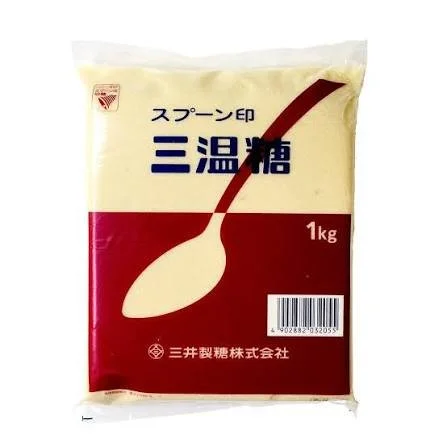
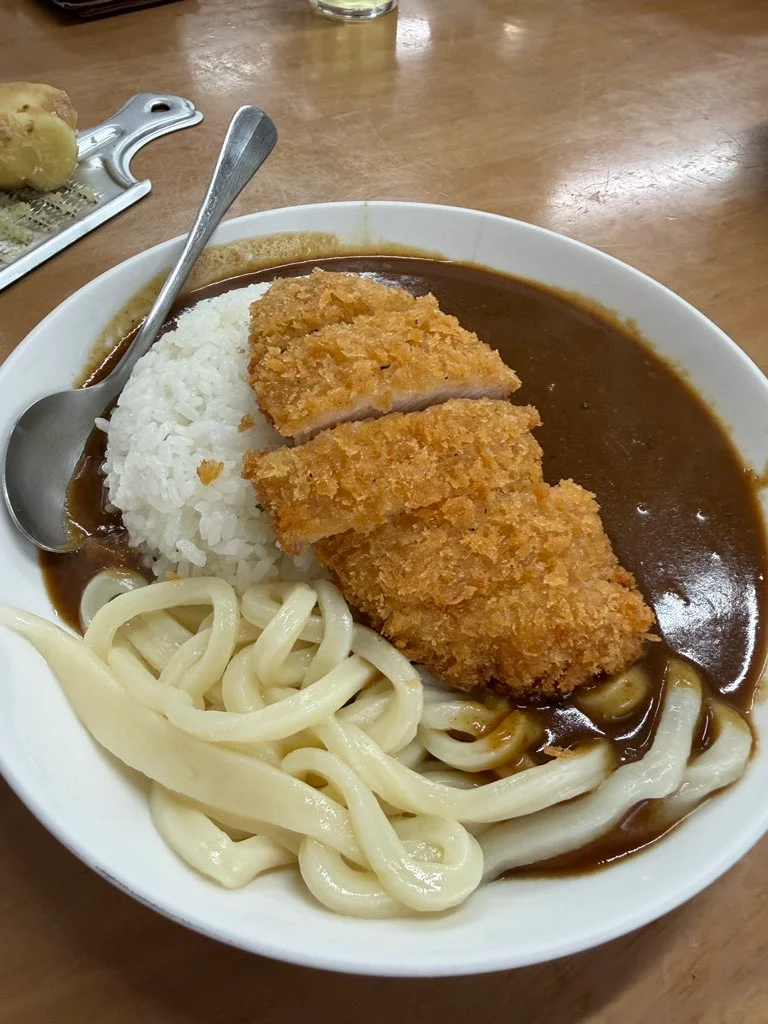
I use sanontō purely to avoid mixing up salt and sugar.
And honestly, I haven’t made the mistake once since switching
@sanson_ganbaru · View on X
Slightly different topic, but I’ve never once mixed up sugar and salt.
I mean, they look totally different, right? The grains and the texture are different. (Talking about white sugar and table salt)
They look pretty different, don’t they?!